
Emergency & ICU Center
Our Emergency and ICU Center provides 24-hour access to urgent assessment, resuscitation, and intensive monitoring for adults and children with serious illness or injury—linked to the hospital’s cardiology, surgery, radiology, laboratory, and theatre services for seamless escalation of care.
Our emergency & intensive care
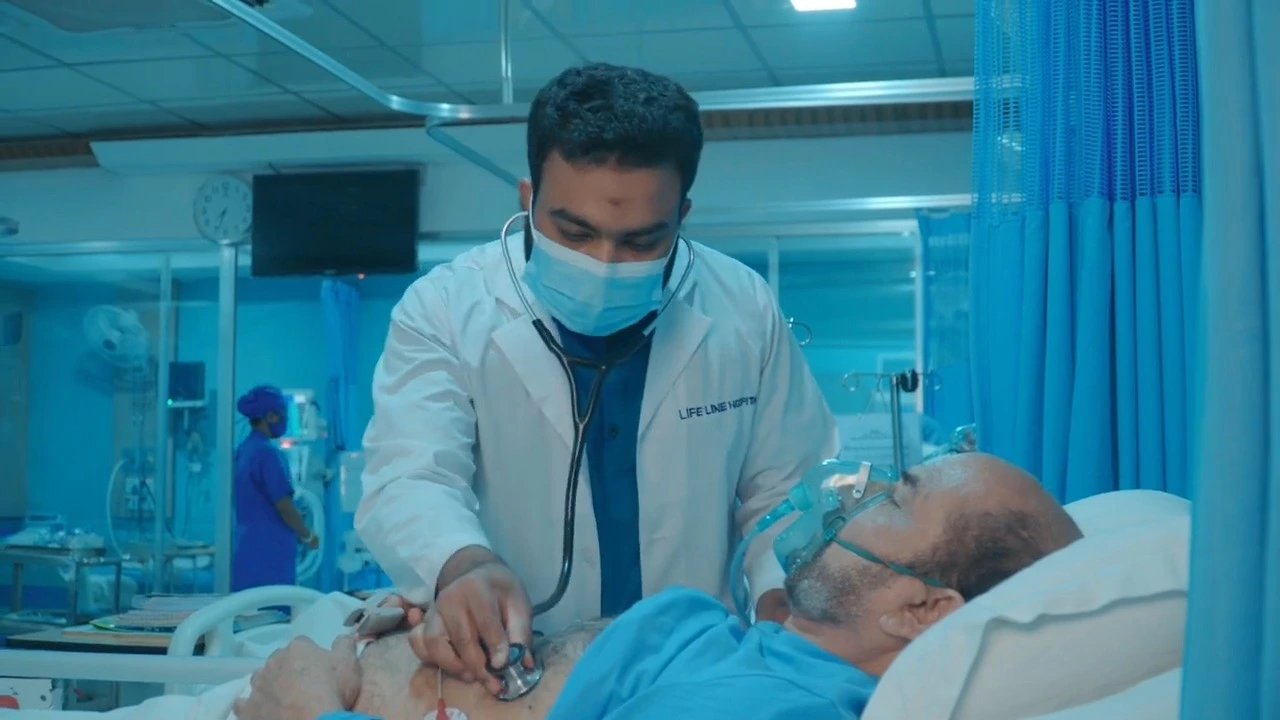
The Emergency Department is the front door for acute illness and injury: rapid triage, stabilization, and decisions about observation, ward admission, or ICU transfer. The Intensive Care Unit (ICU) supports patients who need continuous monitoring, organ support such as mechanical ventilation, inotropic drugs, or close nursing ratios after major surgery, cardiac events, sepsis, or respiratory failure. Both units work as one system with consultants on call across medicine, cardiology, anesthesia, and surgery so that investigations and procedures can proceed without delay when every minute counts.
Services
24/7 emergency reception
Round-the-clock access for accidents, sudden chest pain, stroke symptoms, severe infection, breathing difficulty, major bleeding, and other emergencies—with immediate triage to the right treatment area.
Resuscitation & trauma support
Equipped bays for airway management, cardiac arrest protocols, fluid resuscitation, and initial stabilization before imaging, theatre, or ICU—aligned with the hospital’s cardiac and surgical pathways.
Intensive care (ICU)
High-dependency and intensive beds for ventilated patients, post-operative critical care, sepsis, acute respiratory failure, and multi-organ support with continuous physiological monitoring.
Rapid diagnostics & specialist call
Fast-track access to ECG, X-ray, ultrasound, CT where available, point-of-care tests, and on-call cardiology, medicine, anesthesia, and surgery for timely decisions on admission and treatment.
Step-down & ward transfer
Planned movement from ICU to high-dependency or general wards when breathing, circulation, and infection parameters improve, with clear handover and ongoing consultant review.
ICU & emergency monitoring

Multiparameter monitoring
Continuous ECG, blood pressure, oxygen saturation, and respiratory monitoring at bedside in emergency and ICU—with alarm systems and nurse-led observation for early detection of deterioration.

Ventilation & organ support
Invasive and non-invasive ventilatory support, infusion pumps for inotropes and vasopressors, and structured sepsis and fluid management protocols where clinically indicated.
Linked laboratory & imaging
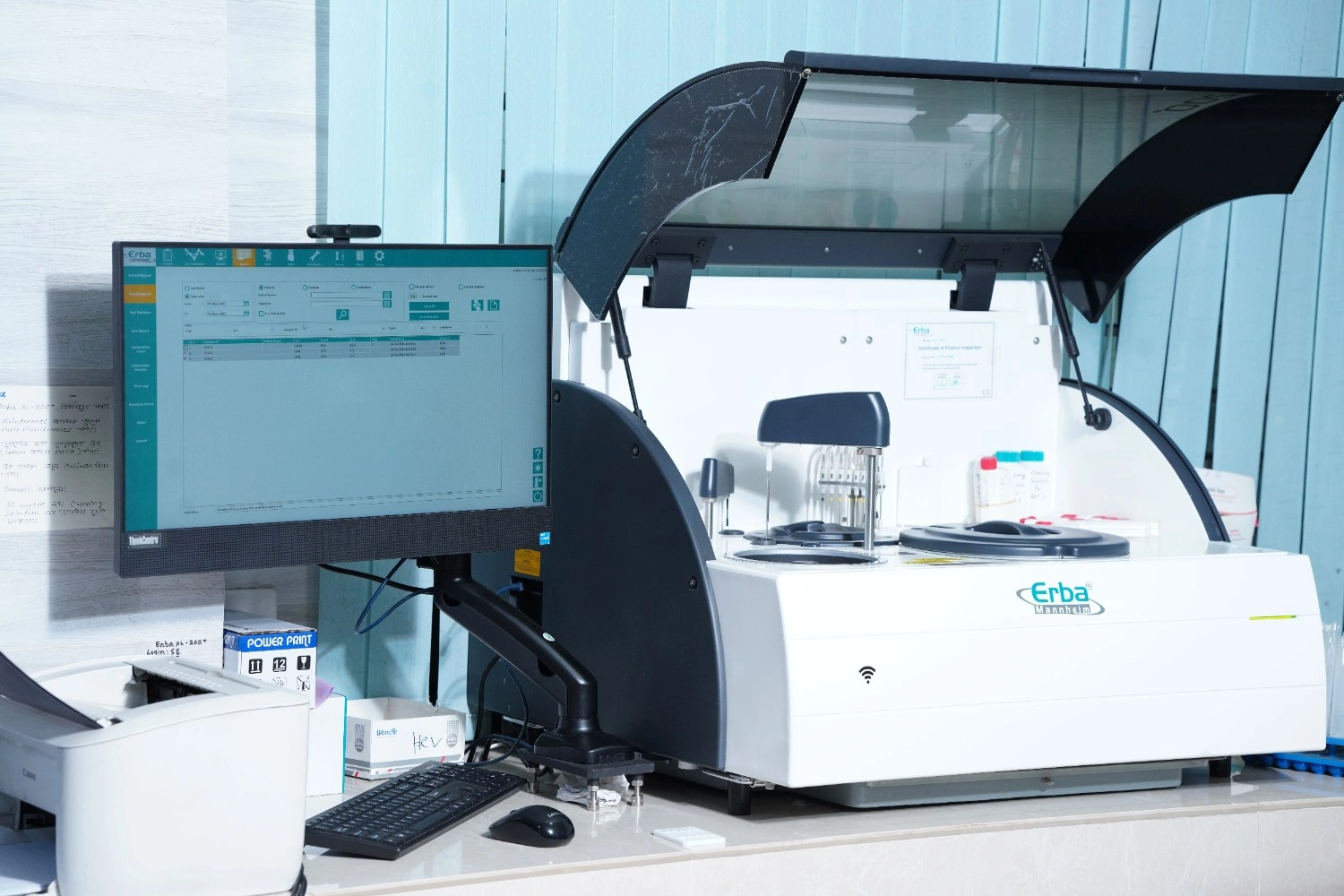
Priority blood gas, chemistry, hematology, and microbiology sampling with rapid reporting; coordination with radiology for portable and suite-based imaging when the patient cannot leave the unit.
Who cares for you
Emergency physicians & nurses
Duty doctors and senior nurses trained in triage, ACLS, trauma reception, and poisonings—your first point of assessment when you arrive through the emergency entrance.
ICU & HDU team
Intensive-care nurses and duty intensivists or anesthetists who manage ventilators, lines, sedation, and daily goals of therapy alongside infection control and nutrition planning.
On-call specialists
Cardiology, general medicine, surgery, pediatrics, and other departments provide consultant input for complex cases, procedures, and transfer decisions without you needing to leave the building.
Visiting & what to expect
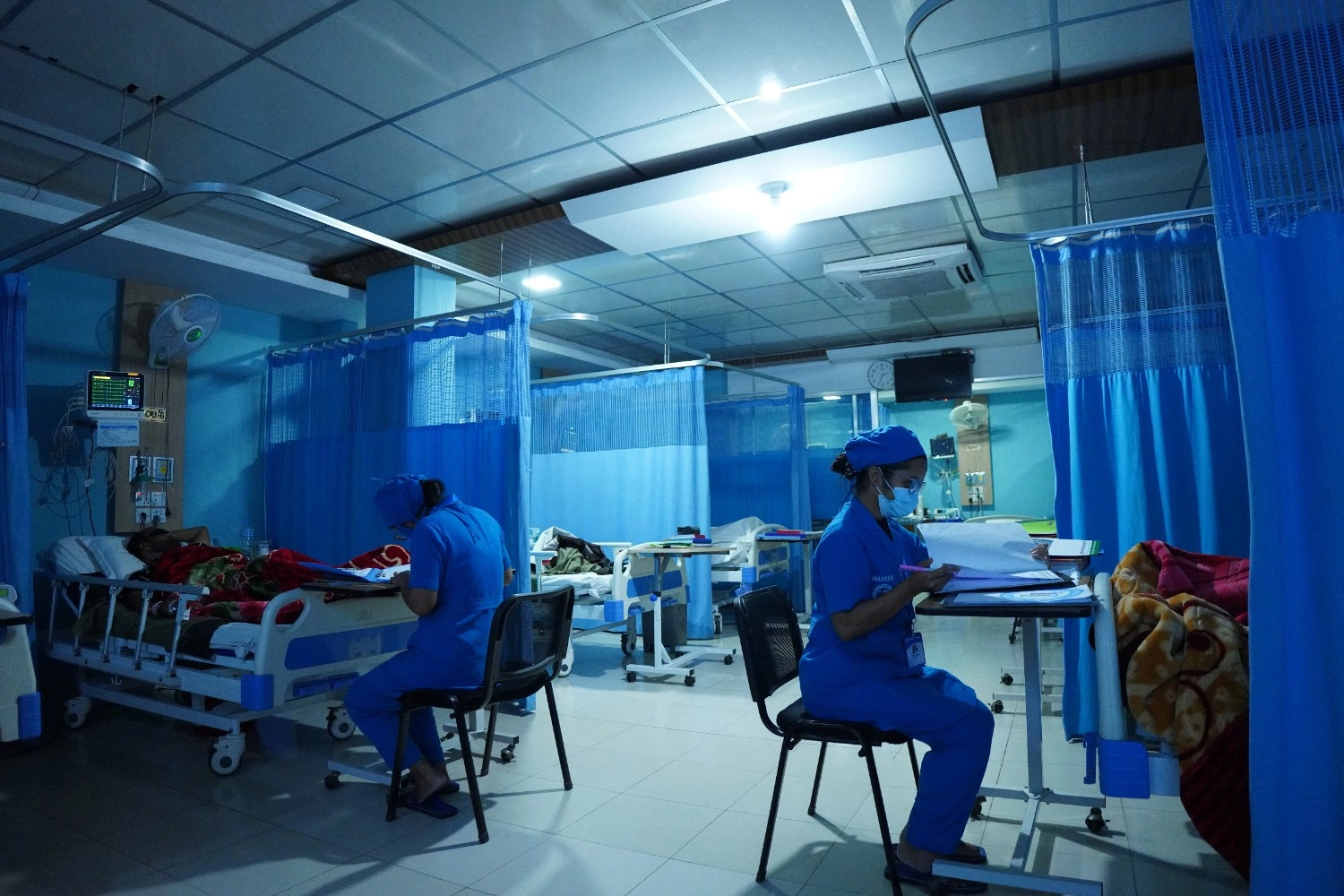
Emergency: One or two family members may stay in the waiting area while care is underway; staff will update you when it is safe to speak with the treating team. Please follow nurse instructions on masks and crowd control during busy periods.
ICU: Visiting is usually limited to short windows and one or two visitors at a time so that nursing care and monitoring are not interrupted. Children may be restricted; ask reception for the current policy. Bring identification and a list of the patient’s medications and allergies to help the team.
Why choose us
Always open
Emergency services day and night, every day of the year, with a clear route from arrival to treatment or admission.
Hospital-wide backup
Operating theatres, catheterization lab, radiology, and laboratory under one roof so critically ill patients are not delayed between sites.
Infection-aware care
Hand hygiene, isolation when needed, and antibiotic stewardship in ICU to protect vulnerable patients and visitors.
Clear communication
Updates to families after procedures or changes in condition, and structured discharge planning when patients leave ICU or ER.
Emergency or ICU enquiry
For life-threatening emergencies, come directly to the emergency department or use local emergency services. For general enquiries about ICU visiting, transfers, or hospital services, call the number below and our team will direct your call.
Call Now