
Orthopaedics (Bone & Joint Care)
The Orthopaedics department at Life Line manages fractures, sports injuries, arthritis, spine and limb problems, and bone infections—combining clinical examination with on-site imaging and coordinated theatre care when surgery is indicated.
Our orthopaedic centre
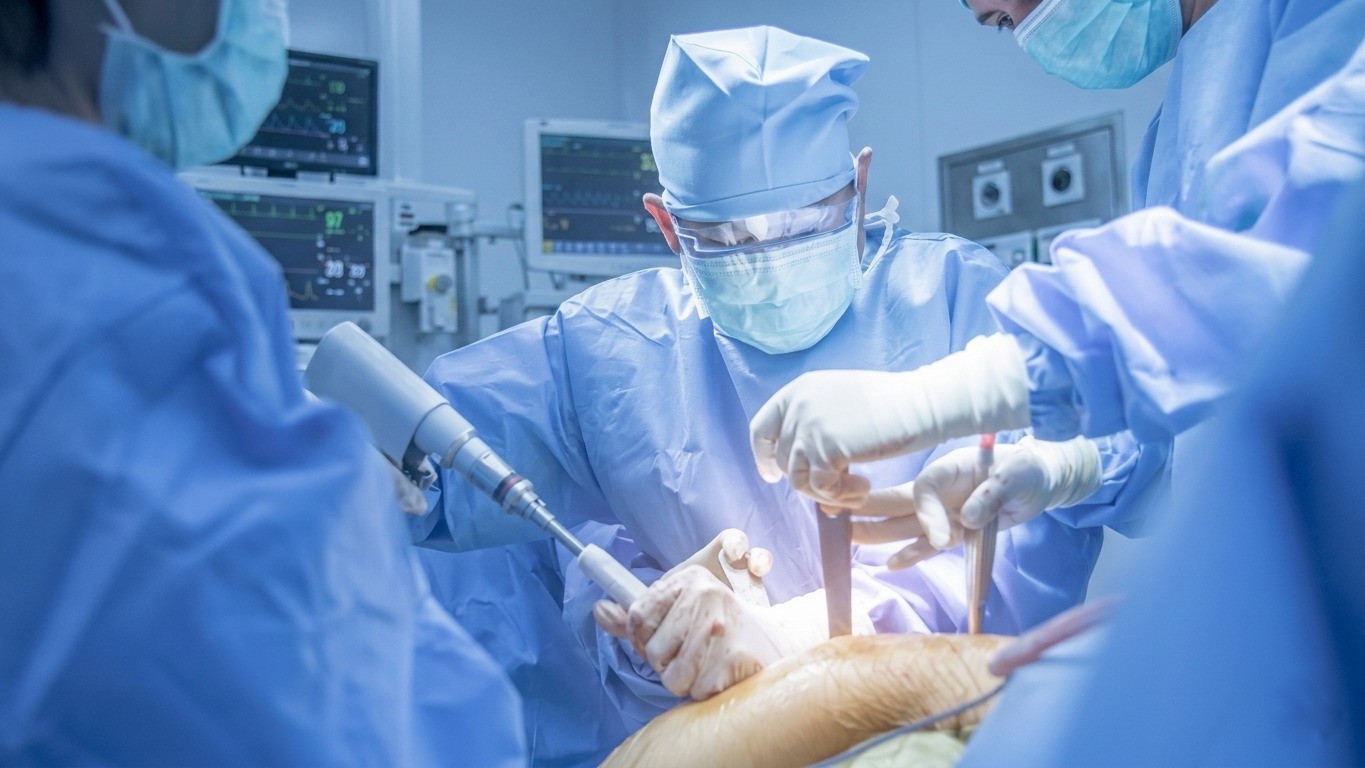
From sprains and simple fractures to chronic joint pain and spinal disorders, our orthopaedic surgeons assess each patient with careful history, examination, and appropriate X-ray or ultrasound through the hospital’s radiology service. We discuss both non-operative options—splints, injections where suitable, physiotherapy plans—and surgery when it offers the best chance of recovery. Emergency fracture care is coordinated with the emergency department, anesthesia, and operating theatres. We aim for clear expectations on weight-bearing, return to work or sport, and follow-up after any procedure.
Services
Orthopaedic consultation
Assessment of bone and joint pain, deformity, limp, swelling, and post-injury problems—with discussion of diagnosis, imaging, and both operative and non-operative pathways.
Fracture & trauma care
Closed reduction where appropriate, splinting and casting, wound review, and coordination with emergency and theatre for open or unstable injuries.
Arthritis & joint disorders
Management of osteoarthritis, inflammatory joint symptoms, bursitis, and tendon problems—including injections when suitable and referral for joint replacement discussion.
Spine & back pain
Evaluation of mechanical back pain, disc-related symptoms, and posture-related strain with advice on activity, bracing when indicated, and onward imaging or surgical opinion.
Sports & soft-tissue injuries
Ligament sprains, muscle tears, overuse injuries, and return-to-play planning linked to physiotherapy and gradual loading programmes.
Rehabilitation & follow-up
Good orthopaedic outcomes depend as much on rehabilitation as on surgery. We outline weight-bearing status, wound care after operations, and timelines for physiotherapy. Follow-up visits monitor union of fractures, range of motion after joint procedures, and pain control. If you develop fever, increasing redness around a wound, calf swelling, or chest pain after surgery, you should contact the hospital or emergency service promptly—our team will advise the next step.

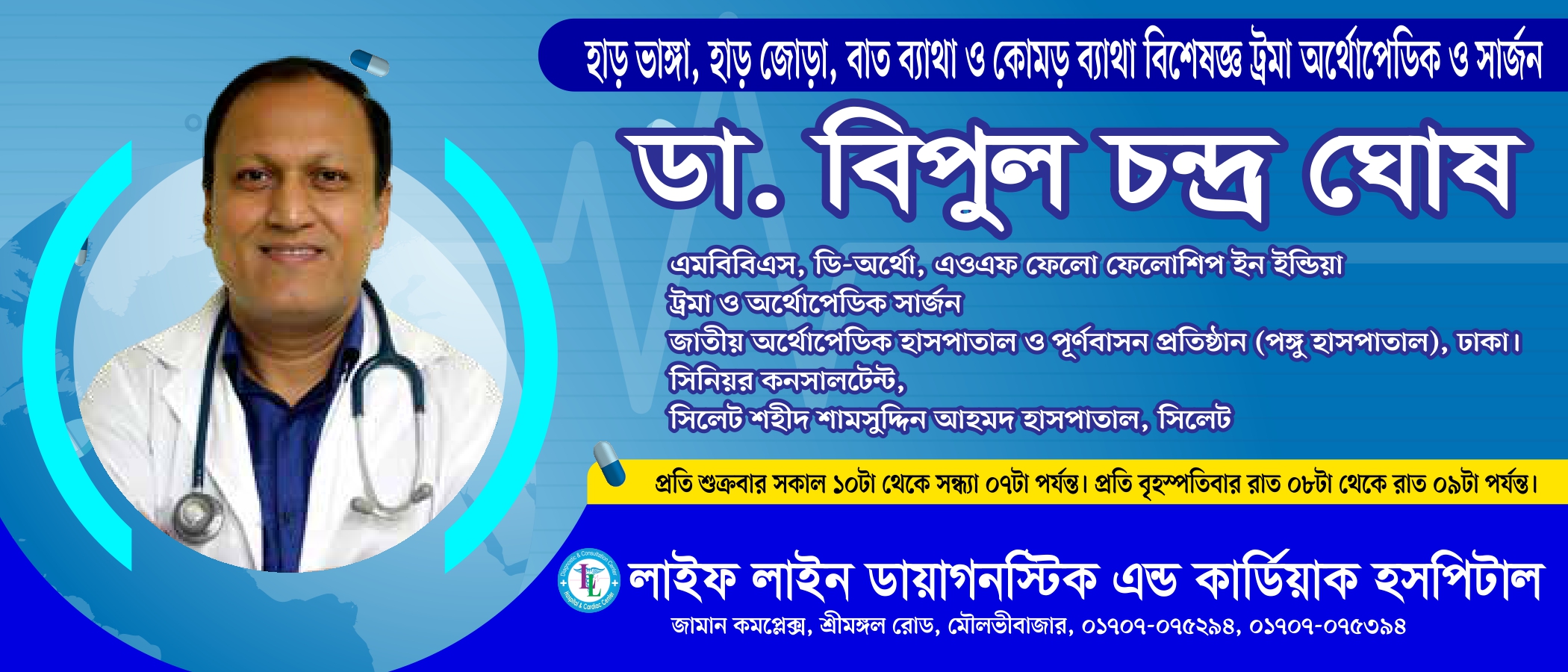
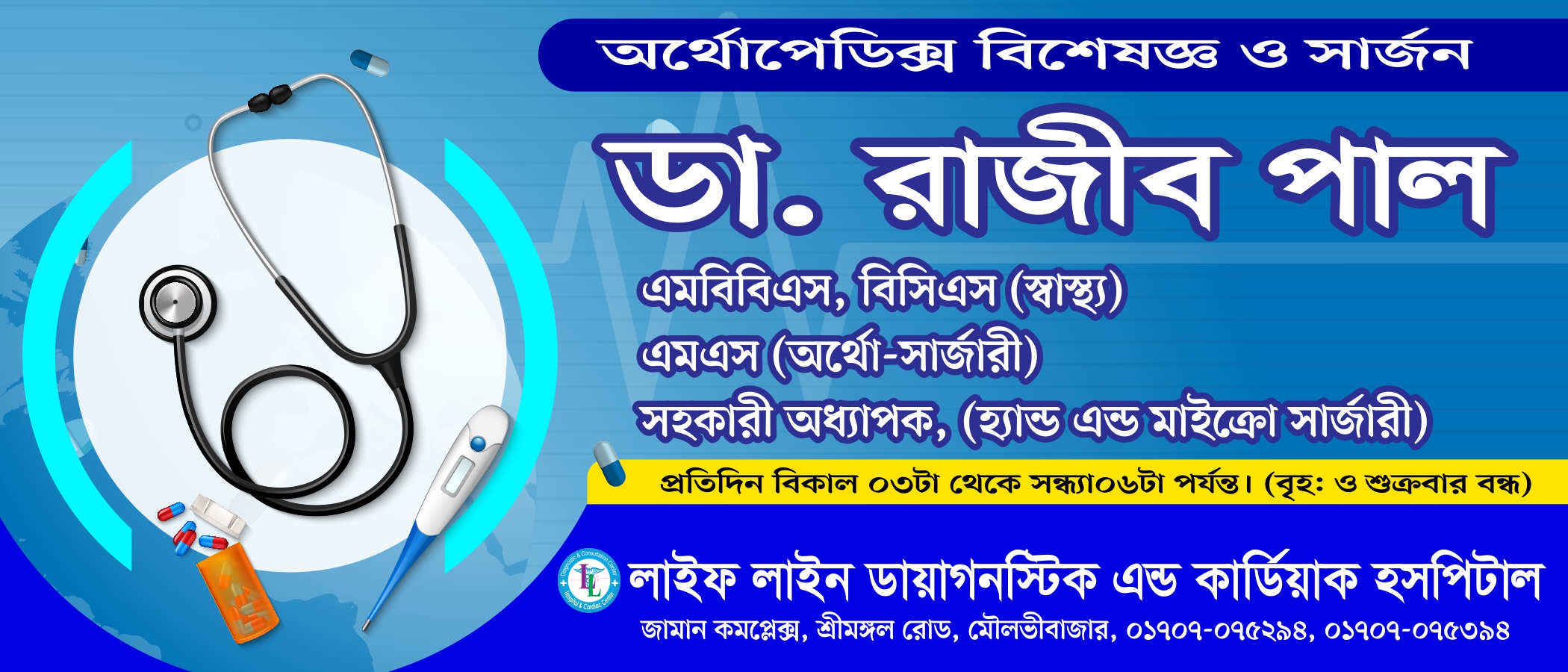
Our specialists
Why choose us
Modern imaging links
Digital X-ray and ultrasound through the hospital’s radiology team to support accurate fracture and joint assessment.
Experienced surgeons
Consultant orthopaedic surgeons skilled in trauma, elective joint work, and complex revision planning when required.
Theatre & anesthesia
On-site operating facilities and anesthesia support for planned and urgent orthopaedic procedures within the same hospital.
Coordinated care
Smooth handover with emergency, medicine, and surgery teams when admission, further tests, or specialist referral is required.
Speak with us about bone & joint care
Call our front desk to book an orthopaedic consultation, ask about fracture or post-operative follow-up, or enquire about imaging before your visit. Our team will advise on timing and what to bring.
Call Now