
Diabetology & Endocrinology
Our Diabetology & Endocrinology service supports adults with diabetes, thyroid disorders, obesity-related metabolic risk, and other hormone-related conditions—through structured assessment, laboratory monitoring, lifestyle guidance, and coordinated care with cardiology, nephrology, and eye services when complications need attention.
Our diabetology & endocrine clinic

Type 1 and type 2 diabetes, pre-diabetes, gestational follow-up where applicable, hypothyroidism, hyperthyroidism, polycystic ovary syndrome–related metabolic issues, and adrenal or pituitary referrals are assessed in clinic with attention to blood pressure, weight, kidney function, and foot health. We align treatment with national and international guidance on glucose targets, statin use when indicated, and safe medication adjustments. Education on meal planning, physical activity, sick-day rules, and self-monitoring of blood glucose is part of long-term follow-up. When surgery, pregnancy, or acute illness complicates control, we liaise with anesthesia, obstetrics, or emergency teams in the same hospital.
Services
Diabetes consultation
New diagnosis, uncontrolled sugars, medication side effects, and planning for Ramadan, travel, or surgery—with review of home glucose logs where available.
Thyroid & hormone disorders
Hypothyroidism, hyperthyroidism, goitre evaluation, calcium or vitamin D problems, and initial work-up for PCOS-related metabolic symptoms with onward referral when needed.
Obesity & metabolic risk
Weight-centred assessment of blood pressure, lipids, fatty liver risk, and sleep-related concerns—with realistic targets and follow-up.
Complication screening
Coordination of foot checks, kidney function monitoring, eye referral pathways, and cardiovascular risk reduction alongside our cardiology and laboratory teams.
Insulin & injectable therapy
Starting or adjusting insulin and GLP-1–based therapies where appropriate, with nurse-supported teaching on injection technique and hypoglycaemia avoidance.
Laboratory, nutrition & hospital links

Nutrition & lifestyle
Guidance on carbohydrate awareness, portion sizes, weight loss strategies, and safe activity tailored to your medications and comorbidities.
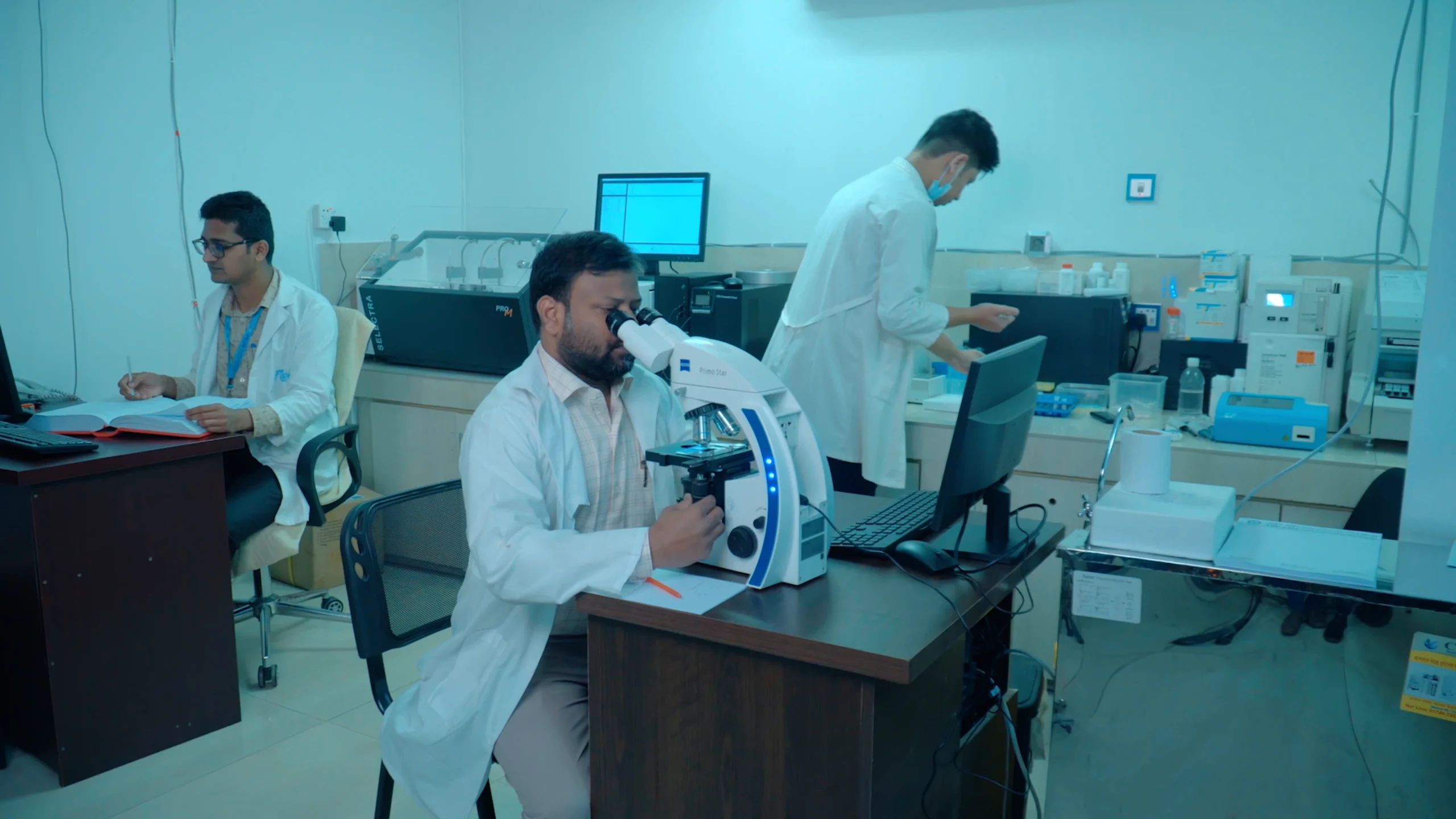
On-site laboratory
Fasting and random glucose, HbA1c, lipid profile, kidney and liver panels, thyroid function, urine microalbumin, and other tests ordered by your consultant.
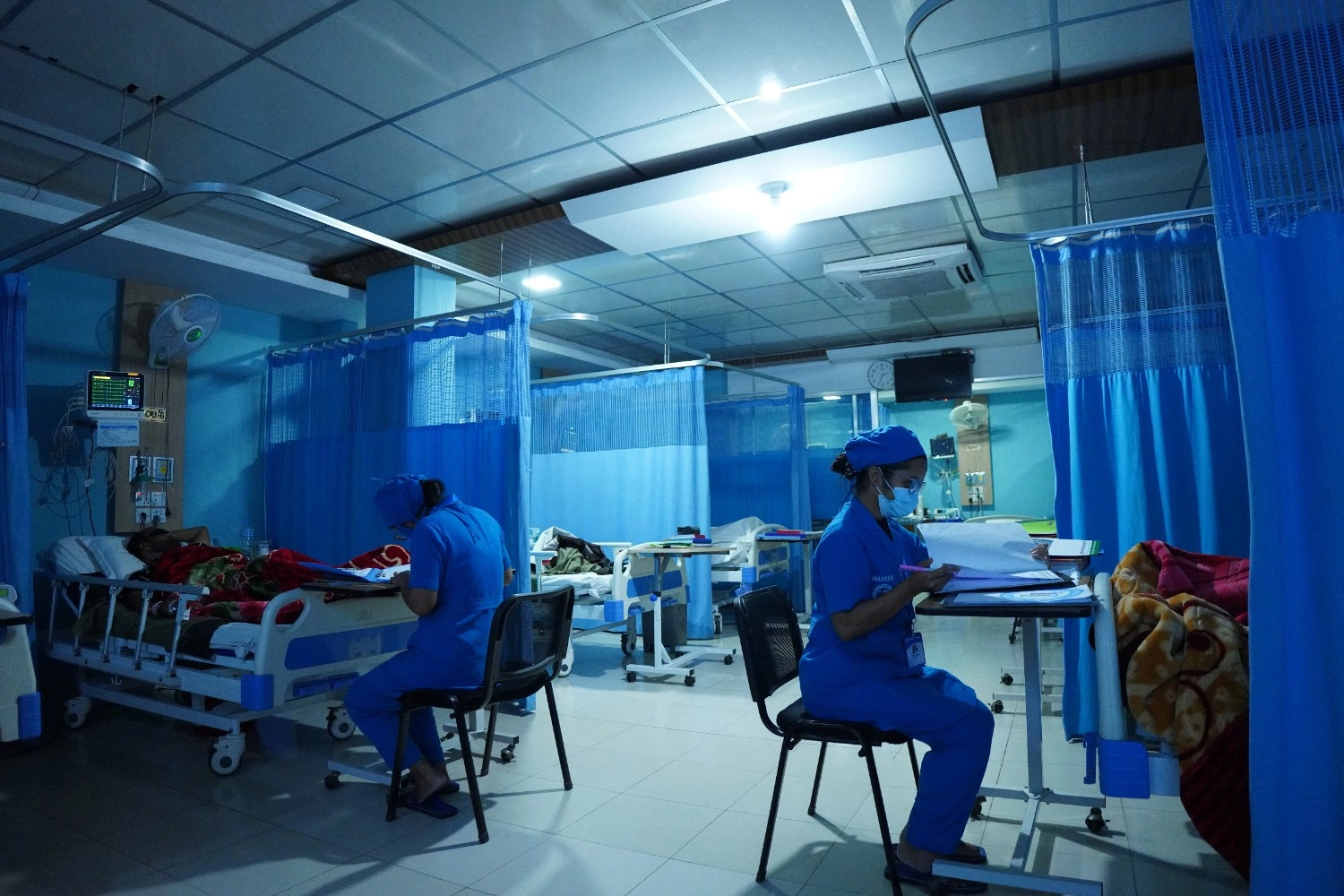
Integrated hospital care
Same-building access to cardiology, nephrology, dialysis, pharmacy, and emergency services for complications or admissions.
Our specialists


Why choose us
Evidence-based targets
Individualised glucose, blood pressure, and lipid goals aligned with your age, kidney function, and overall cardiovascular risk.
Experienced physicians
Medicine consultants who manage complex diabetes alongside heart, kidney, and thyroid problems in one coordinated plan.
Continuity of care
Follow-up visits and recall for complications screening so adjustments are not delayed when your health or medications change.
Patient education
Clear explanation of medications, hypoglycaemia warning signs, sick-day rules, and when to seek urgent care.
Speak with us about diabetes & hormones
Call our front desk to book a diabetology or endocrine consultation, ask about fasting blood tests, or request a follow-up after your last visit. Our team will advise what to bring and how to prepare.
Call Now