
General & Laparoscopic Surgery
The General & Laparoscopic Surgery department at Life Line offers elective and emergency operations—from open procedures to minimally invasive laparoscopic techniques—with pre-operative counselling, modern theatres, and coordinated post-operative care alongside anesthesia, ICU, and diagnostics.
Our surgical centre
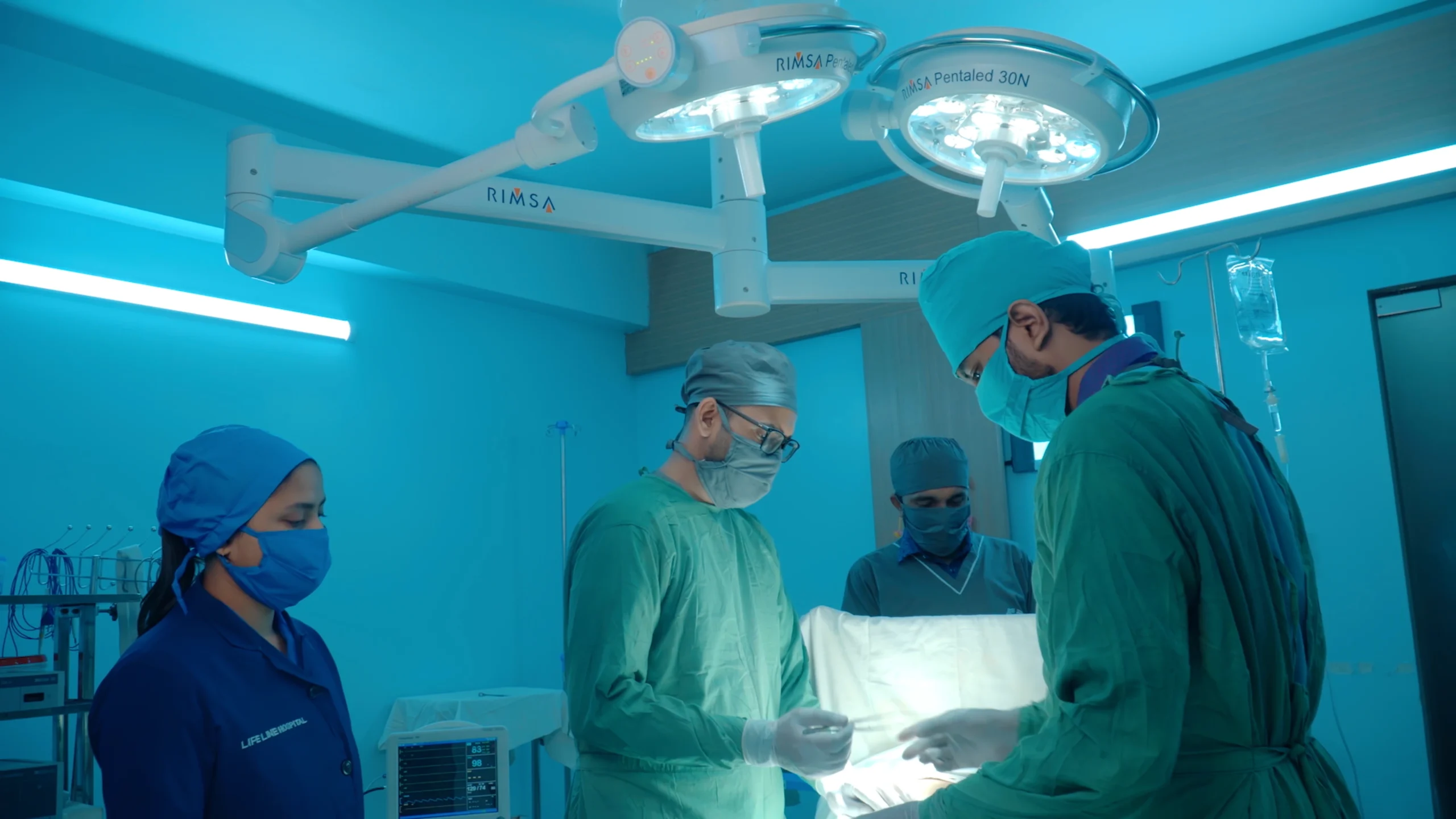
Our consultant surgeons manage a broad range of general surgical conditions—including hernia, gallbladder disease, appendicitis, bowel problems, soft-tissue lumps, and selected emergency presentations—using evidence-based pathways. Where appropriate, laparoscopic (keyhole) techniques are offered to reduce incision size and support earlier mobilisation. The department works closely with anesthesia, cardiology, medicine, radiology, laboratory, and intensive care so that high-risk patients are assessed thoroughly before theatre and monitored carefully afterward. We emphasise informed consent, pain control, infection prevention, and clear follow-up after discharge.
Services
Surgical consultation
Outpatient assessment of hernia, gallstones, lumps, abdominal pain, and other general surgical problems—with discussion of open versus laparoscopic options, risks, and recovery before a date is fixed.
Laparoscopic (keyhole) surgery
Minimally invasive approaches for suitable gallbladder, appendicectomy, and selected abdominal conditions—smaller incisions where clinically appropriate and coordinated with your anesthetist.
Hernia & abdominal wall
Inguinal, umbilical, and incisional hernia repair using mesh or tissue techniques as indicated, with emphasis on durable repair and return to activity.
Emergency & acute surgery
Urgent operations for appendicitis, bowel obstruction, perforated viscus, trauma, and other acute surgical conditions with handover from the emergency department and ICU when needed.
Post-operative care
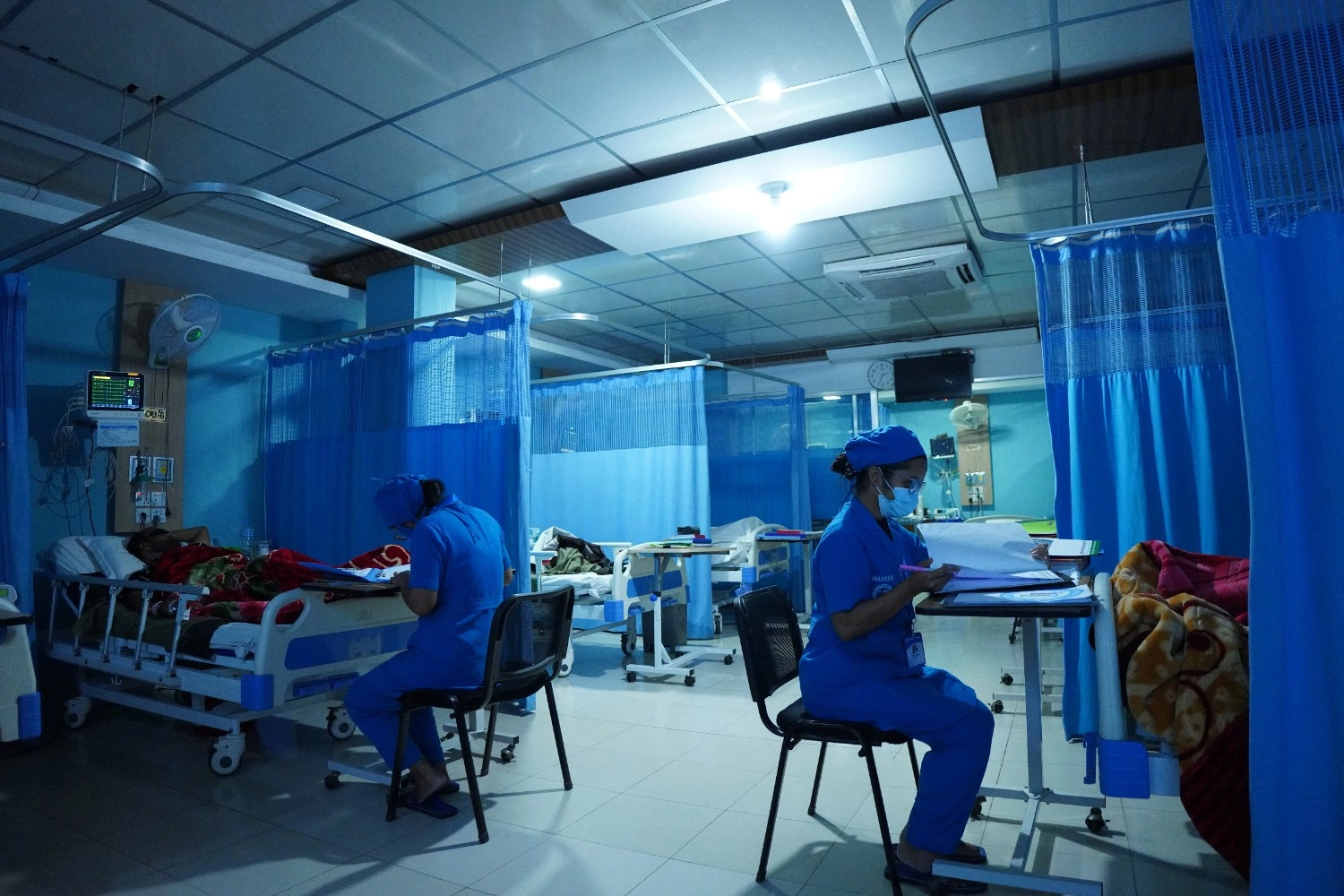
Wound review, drain management where used, pain control, and step-down from theatre to ward or HDU/ICU with clear instructions before you go home.
Operating setup & safety
Modern operating theatres
Controlled sterile environments with standard surgical instrumentation, lighting, and monitoring for elective lists and emergency cases.
Laparoscopic stack & energy
High-definition vision, insufflation, and electrosurgical/energy devices to support minimally invasive procedures when your surgeon advises them.
Anesthesia & recovery link
Coordinated pre-assessment, intra-operative anesthesia, PACU/recovery, and escalation to HDU or ICU for higher-risk patients.
Our specialists



Why choose us
Experienced surgeons
Consultant-led lists with clear pre-operative assessment and shared decision-making for elective and urgent cases.
Minimally invasive options
Laparoscopic surgery when suitable—aiming for smaller wounds and structured recovery alongside open techniques when safer.
Hospital-wide support
On-site diagnostics, cardiac assessment, anesthesia, ICU, and emergency cover for complex or high-risk operations.
Infection control
Antibiotic prophylaxis when indicated, sterile technique, and ward practices aligned with modern surgical safety standards.
Speak with us about surgery
Call our front desk to book a surgical consultation, ask about laparoscopic or open procedures, or enquire about admission and preparation. Our team will guide you on timing and documents to bring.
Call Now