Gastroenterology Care Center
The Gastroenterology service at Life Line Diagnostic & Cardiac Hospital focuses on disorders of the digestive tract, liver, and pancreas—combining outpatient assessment, endoscopic diagnosis, and coordinated care with surgery and radiology when advanced treatment is needed.
Our gastroenterology centre
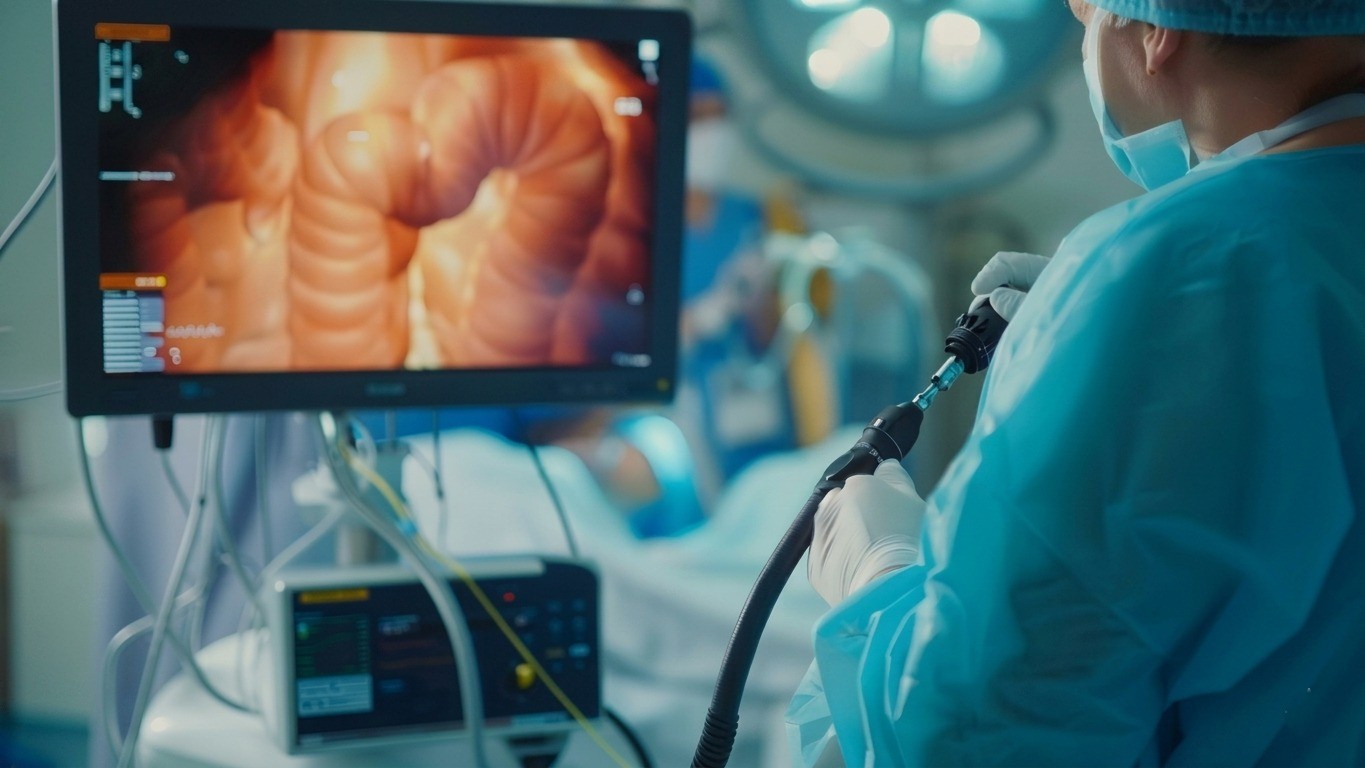
The Gastroenterology Care Center evaluates swallowing difficulty, reflux, peptic ulcer disease, irritable bowel syndrome, inflammatory bowel disease, liver enzyme abnormalities, and jaundice. We arrange upper and lower gastrointestinal endoscopy when visual diagnosis or biopsy is needed, interpret results with you, and build treatment plans that may include medication, lifestyle change, or referral for surgery or interventional radiology. Close links with the hospital’s laboratory, radiology, and pharmacy allow timely blood tests, abdominal imaging, and hepatitis screening. Our focus is clear explanation of symptoms, safe bowel preparation before procedures, and follow-up until your digestive health is stable.
Services
Gastroenterology consultation
Structured visits for abdominal pain, altered bowel habit, bloating, nausea, weight loss, and anaemia—with examination and investigation planning tailored to your age and risk factors.
Upper GI endoscopy (OGD)
Direct visual assessment of the oesophagus, stomach, and duodenum for reflux damage, ulcers, bleeding sources, and coeliac suspicion—with biopsy when clinically indicated.
Colonoscopy & polyp care
Screening and diagnostic colonoscopy for bleeding, change in bowel habit, and family history of colorectal cancer—with polypectomy or sampling when findings require it.
Liver & pancreas disorders
Evaluation of fatty liver, viral hepatitis, drug-related injury, gallstone complications, and pancreatitis—coordinating imaging, blood tests, and specialist referral pathways.
Endoscopy suite & support

Video endoscopy
High-definition flexible scopes for upper and lower GI examination with careful mucosal inspection, photograph documentation, and targeted biopsy channels when tissue diagnosis is required.

Procedure safety & monitoring
Pre-assessment for sedation risk, pulse oximetry and blood pressure monitoring during procedures, and recovery bay observation until you are safe to travel home with an escort.

Pathology & imaging links
Histopathology from endoscopic biopsies coordinated with Life Line Lab, plus CT, ultrasound, and MRI reporting through radiology when staging or complications need cross-sectional imaging.
Our specialists

Why choose us
Endoscopy capability
Video endoscopy with monitored recovery so diagnostic and therapeutic GI procedures are performed in a controlled hospital setting.
Experienced gastroenterologist
Consultant-led assessment of complex liver, pancreatic, and bowel problems with clear follow-up plans.
Integrated diagnostics
Coordination with laboratory and radiology for blood tests, stool studies, ultrasound, CT, and MRI when your symptoms need cross-checking.
Multidisciplinary links
Smooth referral to general surgery, oncology, and dietetics when endoscopy, resection, or nutrition support is part of your care pathway.
Speak with us about gastroenterology care
Call our front desk to book a consultation, ask about endoscopy preparation, or enquire about liver and bowel investigations. Our team will explain fasting and bowel prep where needed.
Call Now