
Dialysis Unit
The Dialysis Unit at Life Line provides scheduled hemodialysis for patients with chronic kidney failure and selected acute renal support—delivered by trained nurses and supervised by our medicine team in a clean, monitored environment linked to the hospital’s laboratory and emergency services.
Our dialysis unit
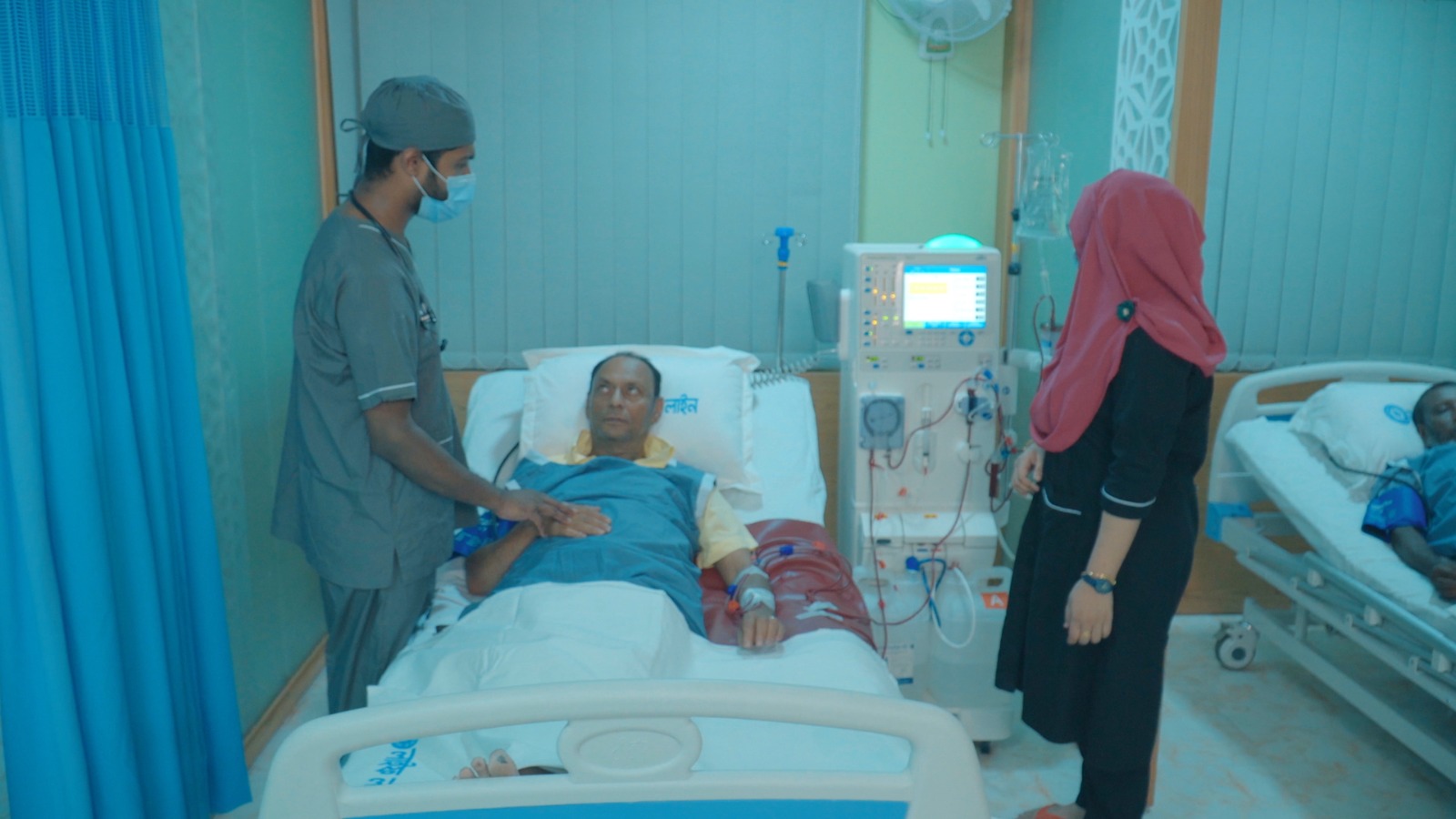
Hemodialysis removes waste and excess fluid from the blood when the kidneys no longer do so adequately. Our unit runs structured shifts for stable chronic patients and can coordinate urgent sessions when nephrology or admitting physicians advise. Nurses monitor vital signs, fluid removal targets, and access sites during each run; consultants in general medicine review complications, anemia, bone-mineral balance, and medication adjustments in partnership with your nephrologist where applicable. We follow strict hand hygiene, machine disinfection, and water-quality principles to reduce infection risk. Please bring your dialysis prescription, recent blood results, and a list of medicines to every visit.
Services
Maintenance hemodialysis
Regular in-centre sessions for patients with end-stage kidney disease according to a prescribed schedule, duration, and dialyzer type agreed with your treating physician.
Acute & urgent dialysis
Coordination of dialysis when kidney function drops suddenly in hospitalised patients—subject to bed availability and consultant advice from medicine or nephrology.
Pre-dialysis counselling
Discussion of fluid limits, diet advice, medications (including erythropoietin and phosphate binders when prescribed), and what to expect before you start long-term dialysis.
Access & infection care
Care of arteriovenous fistula or graft sites and dialysis catheters under aseptic technique—with prompt reporting of fever, redness, or swelling so treatment can start early.
Laboratory monitoring
Linked blood tests for hemoglobin, electrolytes, urea, creatinine, and other parameters to guide dialysis prescriptions and medicine adjustments.
Dialysis equipment & safety

Hemodialysis machines
Computerised consoles for controlled ultrafiltration, conductivity, and alarms—serviced and tested according to manufacturer and internal protocols.

Water treatment (RO)
Reverse-osmosis–based preparation of dialysate water to meet purity standards—critical for safe long-term dialysis therapy.

Bedside monitoring
Blood pressure, pulse, and oxygen saturation checks during treatment with trained staff present to respond to cramps, hypotension, or other intra-dialytic events.
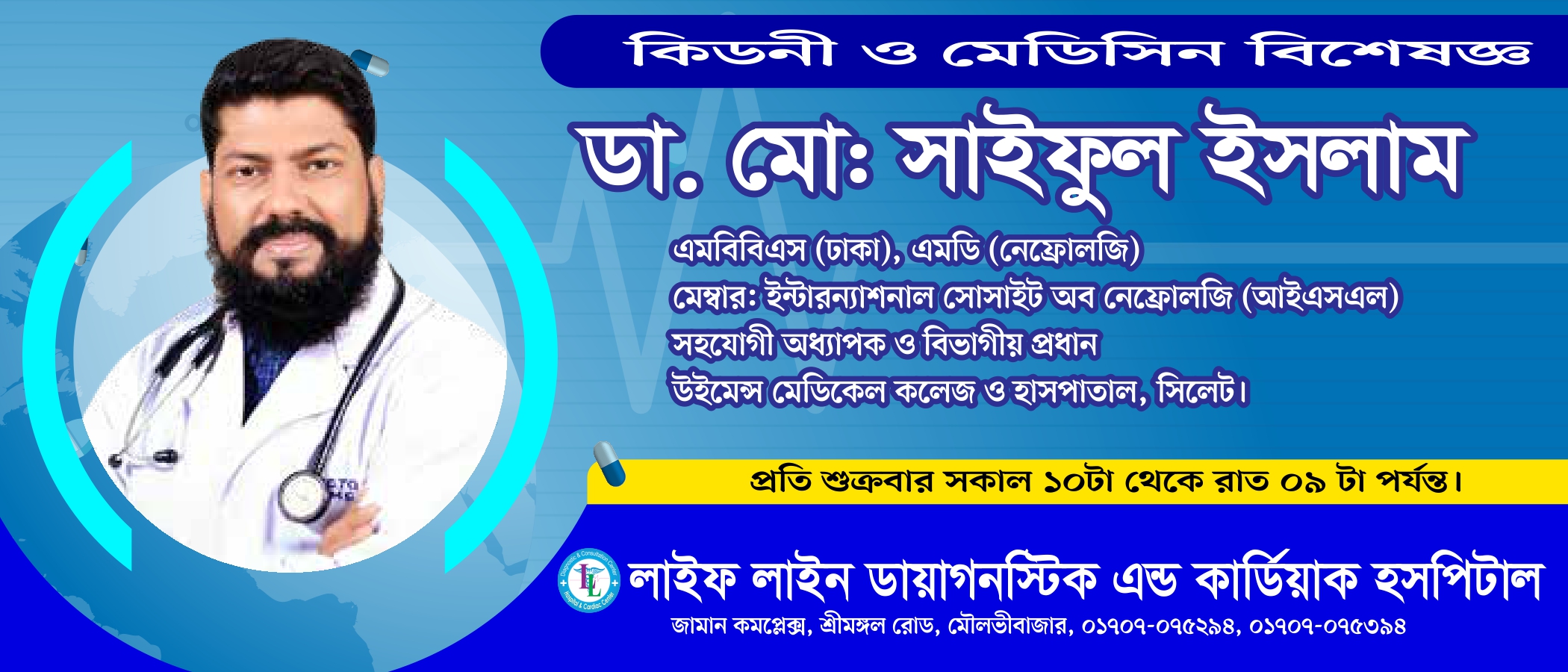
Our specialists
Why choose us
Trained dialysis nurses
Staff experienced in cannulation, machine operation, and recognition of common intra-dialytic problems.
Physician oversight
Medicine consultants support fluid targets, anemia management, and coordination with cardiology when blood pressure or heart issues complicate dialysis.
Infection prevention
Strict cleaning of stations, machine disinfection between patients, and screening policies aligned with national dialysis safety guidance.
Hospital on site
Same-building access to emergency care, laboratory, pharmacy, and cardiology if you become unwell during or between sessions.
Speak with us about dialysis
Call our front desk to ask about session availability, registration, fees, and what documents to bring for your first visit. Our team will connect you with the dialysis desk or physician as needed.
Call Now